

Glazing Repair - How to Repair a Cracked Window
Glazing can make a big impact on the energy efficiency of your home. This is especially important in older double-glazed windows.
While it is possible to change the glazing points while the window is in place, it's simpler and quicker if the glass and frame are removed. It is a good idea to replace the seals made of rubber.
Broken Glass
Cracked windows are not only unattractive, but also let valuable heat and sunlight to escape your home. It's possible to fix the glass that is cracked without replacing the entire window.
Put on safety goggles and gloves. You should also put an X-shaped piece of tape an "X" shape on the glass you intend to remove (duct or painter's tape works well). This will prevent any broken glass from falling onto your work surface as you work.
Cover a small crack on your window glass with tape to keep water, insects, and wind out. One strip of tape is enough to cover any cracks that are superficial but if you're worried about the weather becoming worse before you can replace your window, consider using a more durable plastic cover such as a tarp or a trash bag, to keep the glass in place until you can get a permanent fix.
Make use of a strong adhesive that is designed for windows to fix cracks. Loctite Super Glue Glass is a good choice. This high-tech glue is made to adhere to glass and then dries crystal clear for an ideal finish. Apply it to the crack in the glass and let it dry completely before applying a second layer.
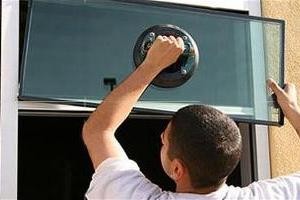
Stress cracks are a different issue that can occur to your glass window. They're typically caused by dramatic changes in temperature and can spread quickly across the entire glass window if not repaired. To stop stress cracks from occurring create an arc of a tiny size with glass cutters close to the crack. This stops the crack from spreading, and can slow it down by a day or two.
Take a look at the frame of the damaged window to determine the size of the new pane. It should be slightly smaller than the opening to allow for expansion and contraction, and to make up for any imperfections in the frame or glass. After cutting the glass, apply glaziers' compound around the edges of the frame and glass. Once double glazing repair has dried, paint it to match the frame.
Condensation inside of Double Glazed Windows
Condensation inside double-glazed windows is typically an indication that a seal on the window unit has failed. This is a significant issue as it means that the heat that is coming from your home is lost through the window and could be costly for you and your energy bills.
Double glazing has been designed to stop heat transfer between two panes of glass by sandwiching a layer air or vacuum between them. This creates a seal that stops warm air from escaping. If the glass is colder or colder than the frame, then condensation can form on it and damage the window. If you're unable to remove condensation from double-glazed windows by opening windows by using extractors, dehumidifiers or trickle venting, then you might need professional help.
Condensation on the outside of double-glazed windows is not common However, it could happen if the seal has begun to deteriorate between the glass and the frame. This is more common in winter as the temperature is lower, making it easier for condensation to develop. The primary reason for this is a fault in the spacer placed between the window and the frame. This spacer often contains desiccant which is highly absorbent and will soak up excess moisture.
The issue is that when the desiccant gets saturated, it will begin to break down, and eventually water can begin to leak through the gap between the glass units. This can cause water and condensation to build within the gap, which is difficult to clean out.
The majority of reputable window manufacturers offer a warranty and replace the glass and unit of the window if it is damaged by condensation. Report any problems as soon as possible to your window installer so that the condensation can be repaired as quickly as possible to prevent further damage.
Shattering Window Glass
A damaged window isn't just a cosmetic issue, it can also be a security risk, particularly if the crack is expanding. It's best to get it fixed as soon as you can. You can use glass adhesives for windows in vehicles that you can buy on the internet or in many auto maintenance shops. You can also make use of a glazing compound for home use, which is available at a variety of hardware and home improvement stores.
Put on your gloves with a thick layer of protection and safety goggles prior to start any work. The area should be swept to remove any large shards. You'll also want to vacuum up any chips that have fallen. This will prevent them from causing injury to yourself or a glass repair person in the future.
It is a good idea to work from a ladder, instead of laying on the floor. This will allow you to reach all parts of the frame and will ensure that you are safe from falling glass. Before you begin it's important to clean the rabbet. This is the area around where the glass will be placed. Clean it and then apply an oil coat of linseed to the rabbet, which will help the new putty stick to the frame securely.
After the frame has been cleaned and the rabbet in place, it's time to prepare for the replacement of the broken pane. Purchase a piece of double strength glass that is 1/8 inch smaller in both directions. You'll need to purchase glass points, which is a metal triangle that holds the glass in the right place.
After removing the window sash, use a flat pry-bar to gently pry the sash away from the moulding of wood. You may need to scrape old glazing off using a utility blade or chisel. Then make use of the heating gun to warm any putty that isn't able to come off. This will make it easier to remove.
When the frame is out of the molding then carefully press the glass in its new location. Fill in the gaps with a glazier's tip or putty knife. After the putty has dried paint the frame in a similar color to the putty. Paint the glass and the compound by overlapping it slightly.
Replacement Window Glass
Wear eye protection and gloves when replacing a broken pane of glass. Tape off the area surrounding the broken window to stop it from shattering in a different spot when you take it off.
Begin by removing the old glazing compound and glazing points (small metal triangles) from the sash frame using a utility knife. Clean the frame opening and then apply a layer of linseed to make sure the new glue sticks better.
Once the frame is in place to be measured, you can measure it for the new window pane. Then buy it from a home improvement store or other retailer. The panes should be 1/6th inch smaller in each direction than your measurement. This will ensure a perfect fit.
Installing the new window is much easier than you think, but be sure to follow the directions of the manufacturer to ensure a right fit and long life for your replacement pane. Use a wirebrush for removing any old paint or wood gunk from the frame's opening. Then sand the wood down to the wood's surface to strengthen the seal.
When you're putting the new pane in place, use the point of your putty knife and gently bed the new window against the frame made of wood. The glazier's tips should be pressed into the frame every six inches. This will help hold the new window securely in the frame.
After the frame has cured and the joint is painted, you can paint it several times until it matches the frame. Let the paint completely dry before proceeding to cleaning and maintaining your window. Making sure your windows are clean and working correctly will prolong their useful lifespan and increase your home's energy efficiency. It is possible to replace your windows if they are older or in poor condition. If you choose this option, we recommend choosing a high-quality insulated windows to cut down on your energy bills. The type of window you select will also influence the overall cost of your project.